Being Kind to Your Deep Mind

Access more of yourself by quieting the chatterbox

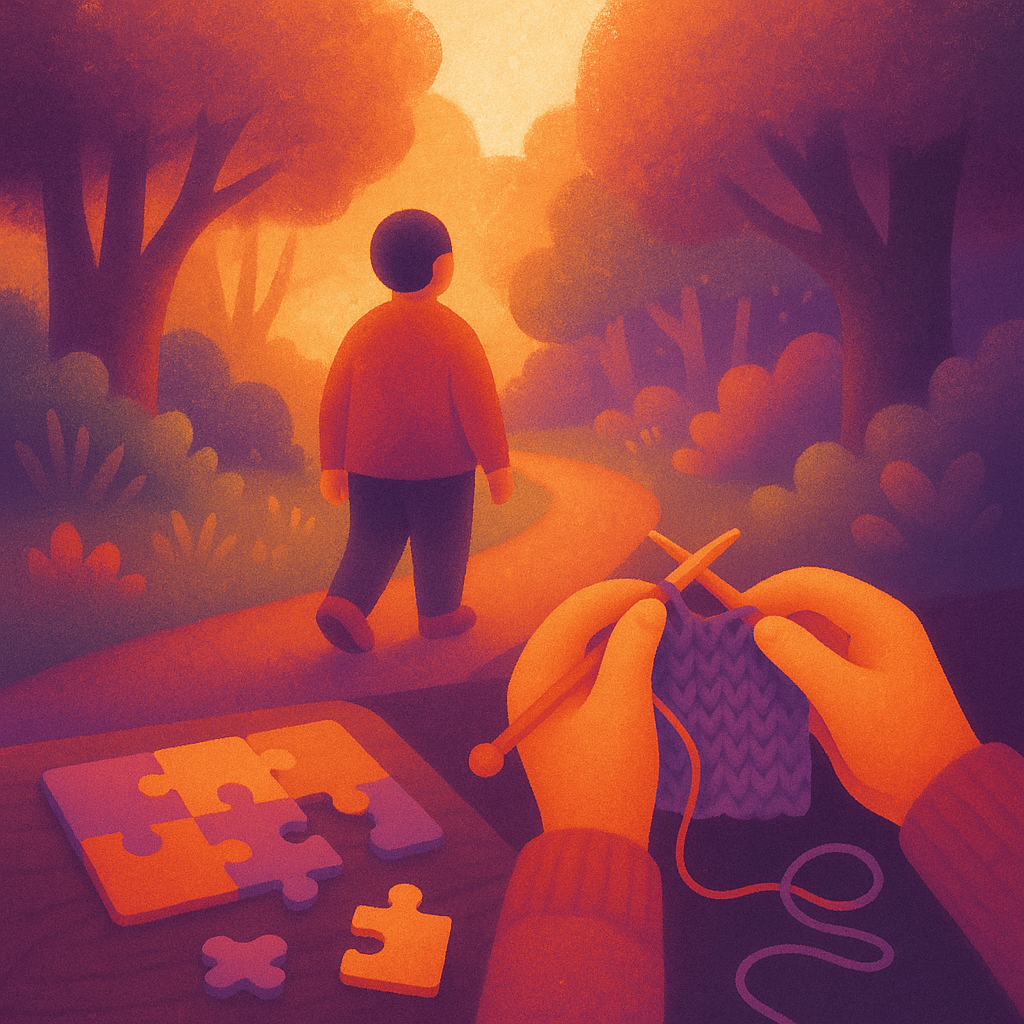
Person walking through nature, knitting, or puzzling

Repetitive, Peaceful Activity

Simple, rhythmic tasks act like cognitive white noise for the overactive prefrontal cortex. While your surface mind is gently occupied, deeper neural systems finally get space to breathe. Emotional processing, memory integration, and subconscious problem-solving quietly begin—functions often drowned out by the noise of modern hyperattention.
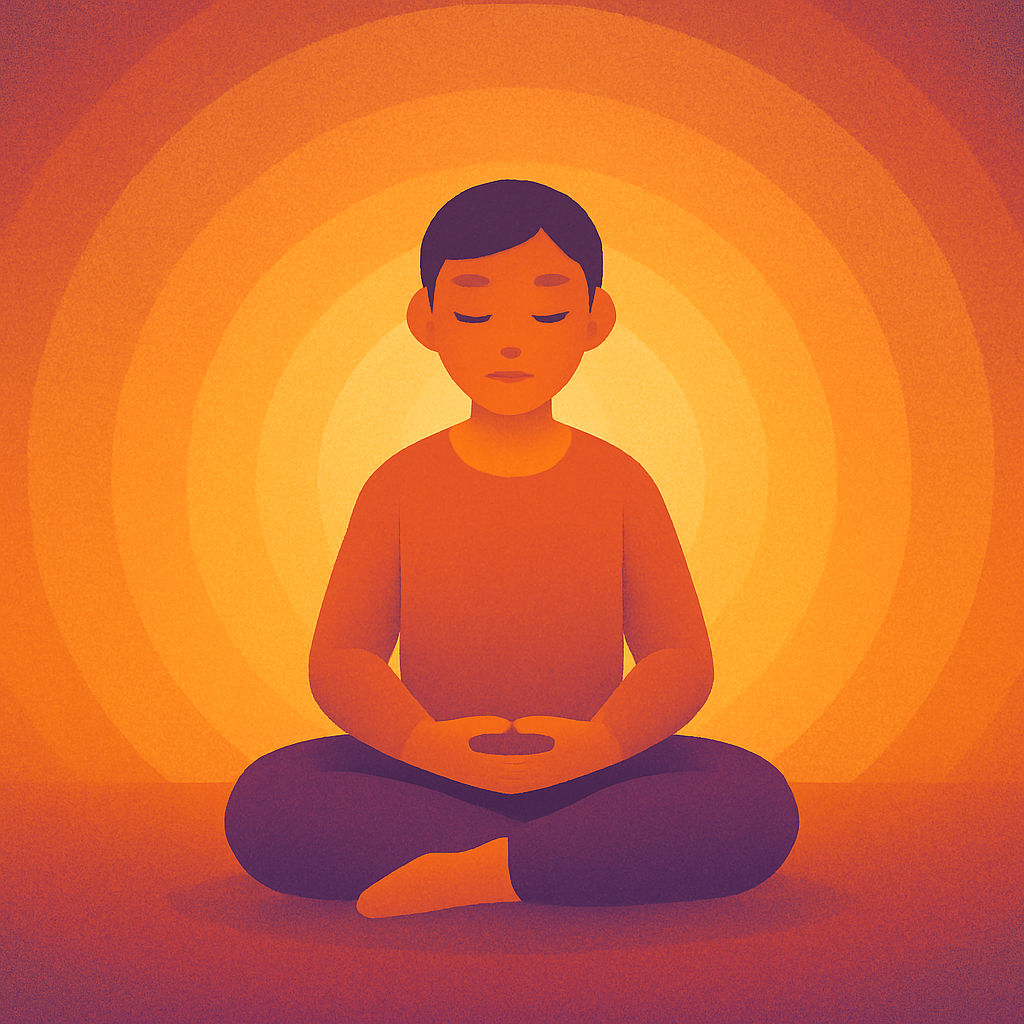
Person meditating with concentric waves

Self-Guided Meditation

By consciously interrupting the default mode network—the brain’s internal narrator—you make room for quieter, less linear thoughts to emerge. Meditation weakens the grip of anxiety loops and ego-driven rumination, allowing for the reintegration of fragmented experiences, a softened worldview, and a more flexible relationship to thought itself.

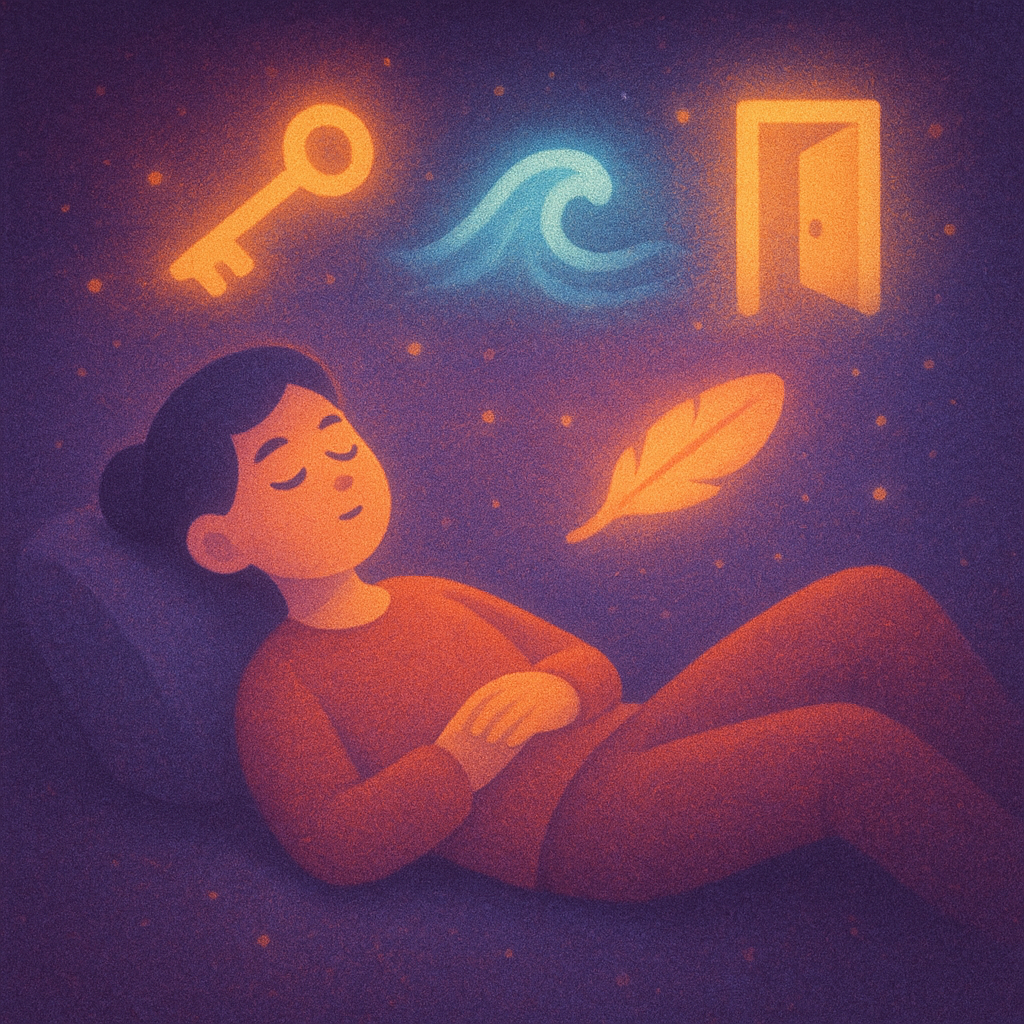
Reclined person with symbolic visuals

Guided Trance (Shared Storytelling)

Sensory storytelling provides a scaffold to descend beneath surface cognition. Listening to vivid, descriptive narratives in a relaxed state activates underused sensory and emotional circuits, promoting insight, symbolic processing, and therapeutic reframing—without the conscious mind’s habitual resistance.

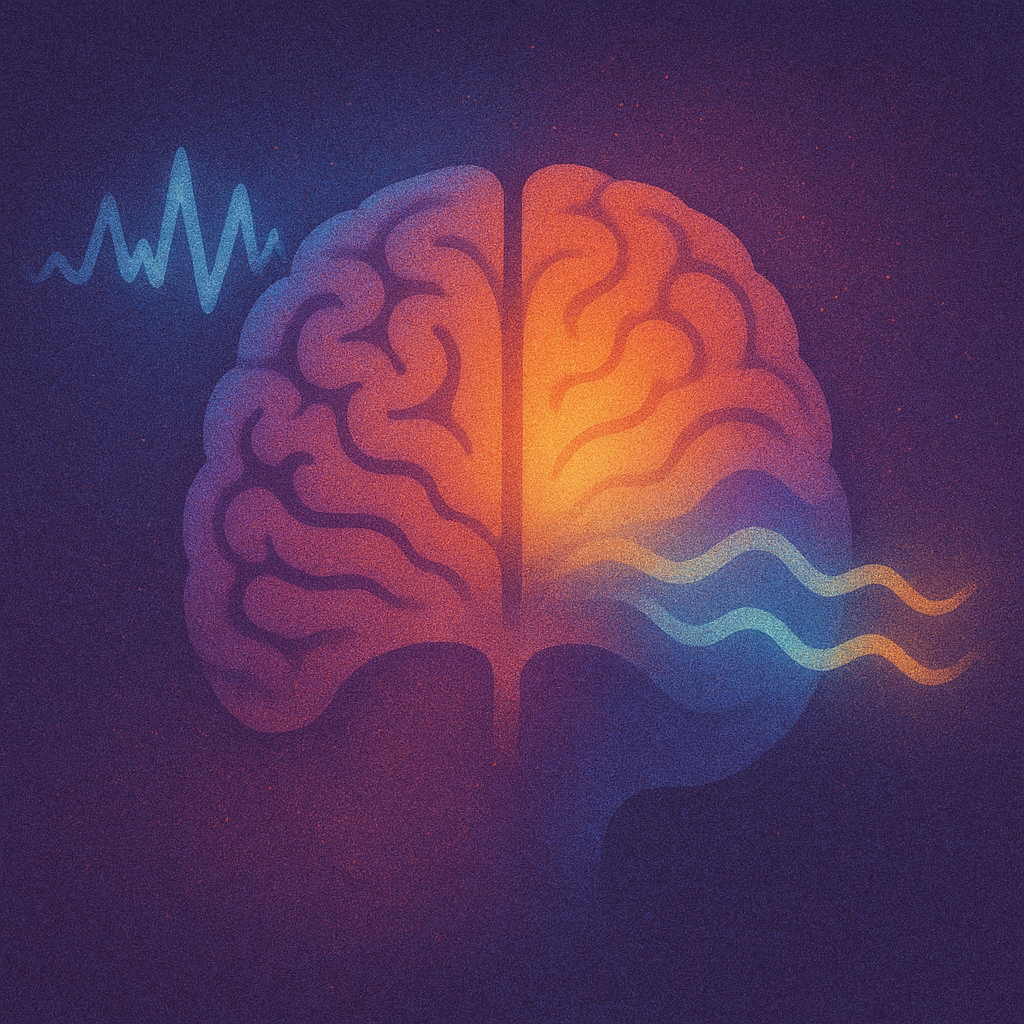
Brain with waveforms transforming

Self-Hypnosis / Hypnotic Audio

At this level, the brain begins to resonate in theta and delta waves—states associated with neuroplasticity, memory reconsolidation, and deep emotional rewiring. This is where you can change the feeling tone of long-held beliefs or traumas, not just the story you tell yourself about them. The thinking mind yields, and the healing mind takes the wheel.

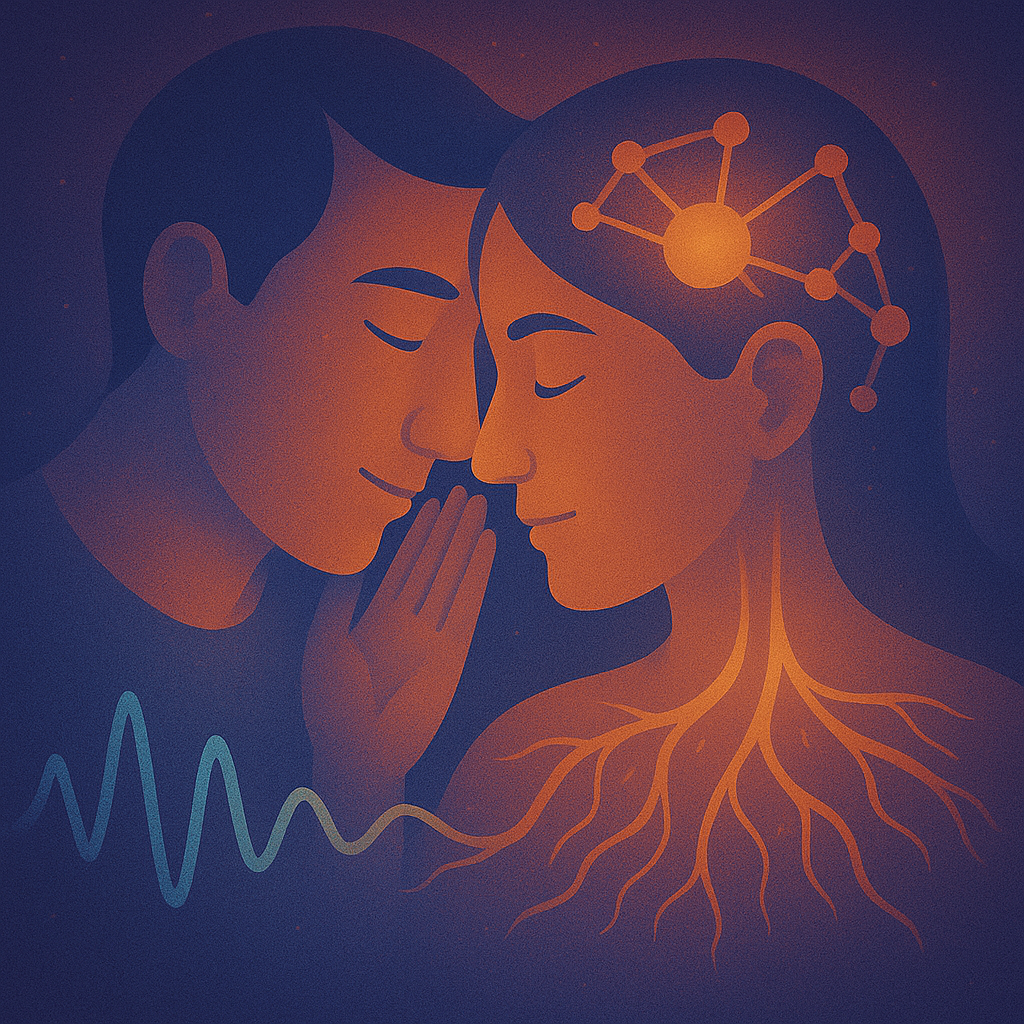
Two connected figures with glowing link

Live Hypnotherapy or Erotic Hypnosis

A tailored trance co-created with another bypasses defensive cognition entirely. It’s not about losing control—it’s about giving the parts of your brain usually starved for attention a turn at the mic. Hypnosis outperforms many therapies in treating trauma, anxiety, and addiction. And in intimate or erotic contexts, it can rewire pleasure, deepen trust, and train the nervous system toward responsive, embodied safety.